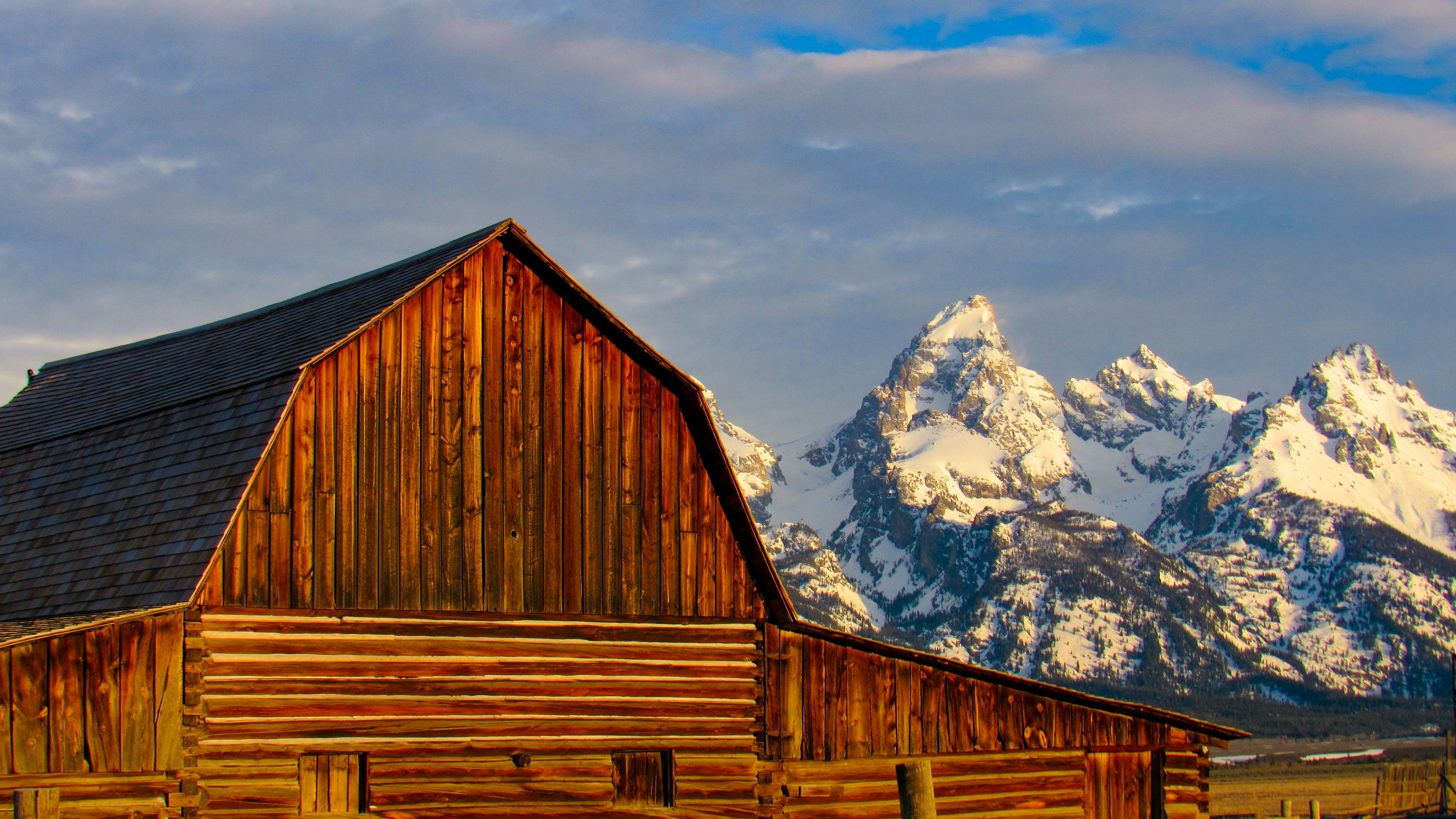

Visiting Yellowstone in winter or Grand Teton National Park in winter is a very different experience from seeing either park in summer.
Some roads close. Many visitor services shut down. And places that are easy to reach by car in July may require skis, snowshoes or a guided winter tour once the snow arrives.
That can make winter access sound complicated, but it does not mean the parks are closed.
In fact, winter can be one of the most memorable times to see them. Snow settles over the Tetons, steam rises dramatically from Yellowstone’s geothermal areas, wildlife stands out against the white landscape and summer crowds disappear.
The key is knowing what is actually open and planning your visit around the way each park works in winter.
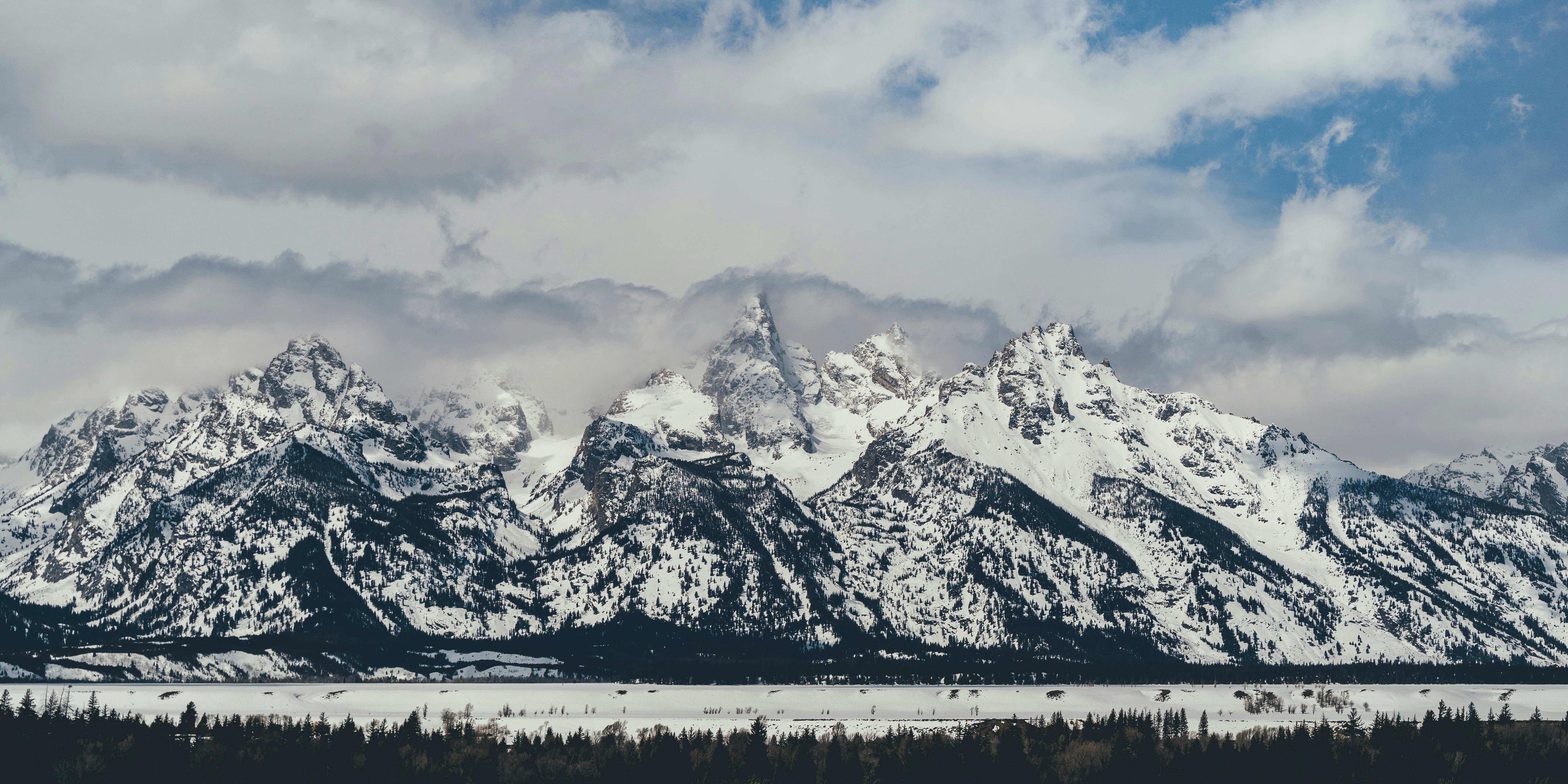
Grand Teton is the easier of the two parks to work into a winter trip from Jackson Hole.
Highways 89/191 and 26/287 remain open through the park from Jackson toward Flagg Ranch, weather permitting, so you can still drive through the valley, take in views of the Teton Range and look for wildlife without booking a tour.
The biggest change happens on Teton Park Road. From November 1 through April 30, the road closes to vehicles north of the Taggart Lake Trailhead toward Signal Mountain. That means Taggart Lake becomes the end of the road for vehicles, but not for visitors.
Once the gate closes, the road becomes a popular winter recreation route. Depending on conditions, visitors can snowshoe, cross-country ski or walk farther into the park without normal vehicle traffic. The road is generally groomed for winter recreation during the heart of the season.
For visitors who simply want to see the park, driving to Taggart Lake and stopping at viewpoints along the open highway can make for an easy half-day outing. If you want to spend more time outside, the Taggart Lake area is one of the best places to get onto snowshoes, while cross-country skiers can use the closed Teton Park Road to cover considerably more ground.
Wildlife is another reason to keep your eyes open. Moose, elk and other animals remain active throughout winter, and tracks in the snow often make their presence easier to notice. As always, stay well back from wildlife and respect seasonal closures.
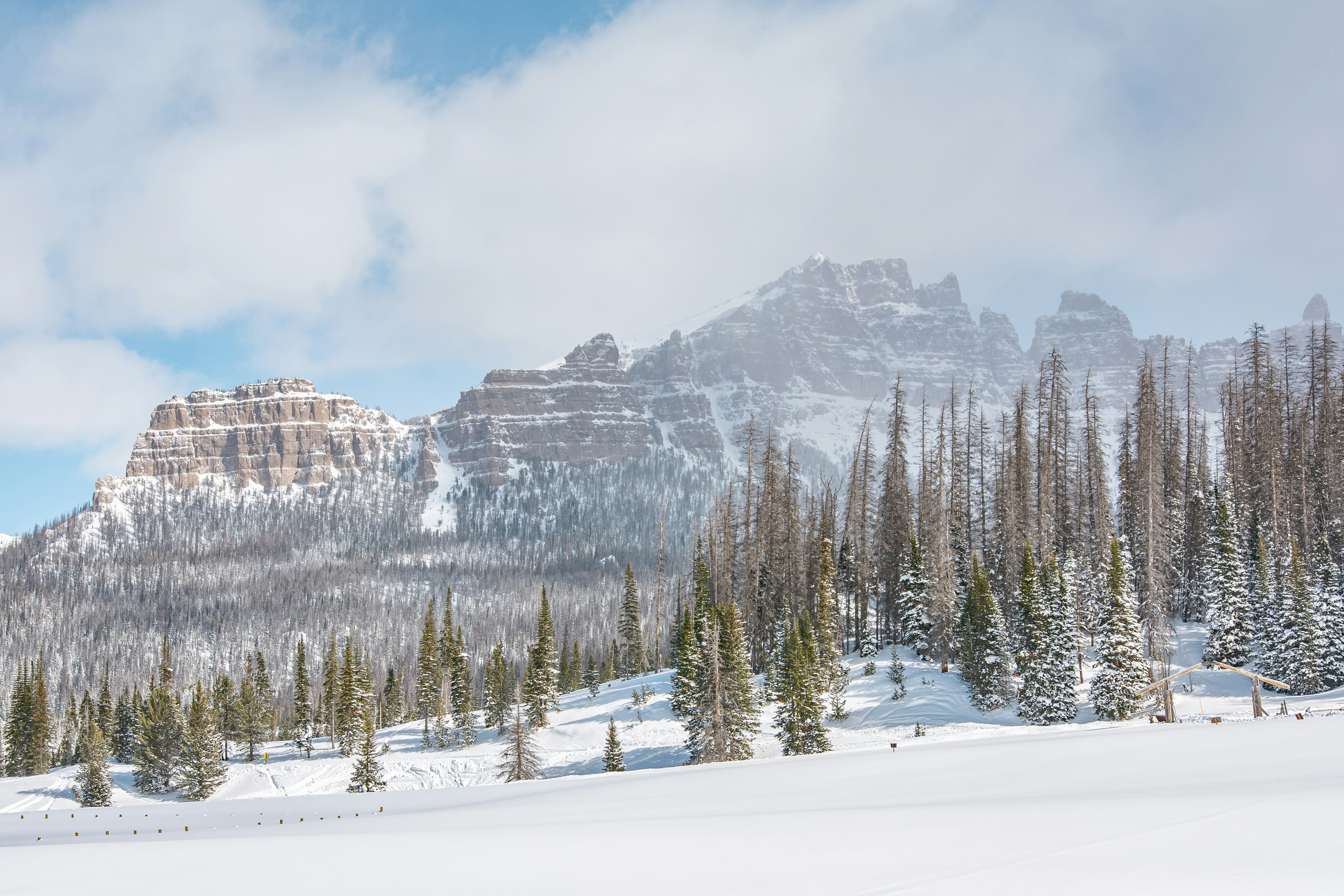
Yellowstone National Park in winter is also worth visiting, but the type of exploring available looks very different from the warmer months.
Most Yellowstone roads close to regular vehicles during winter. The road between the North Entrance near Gardiner and the Northeast Entrance near Cooke City generally remains open year-round, but that route is on the opposite side of the park from Jackson Hole.
From Jackson, the famous interior destinations most visitors associate with Yellowstone, including Old Faithful, the geyser basins and the Grand Canyon of the Yellowstone, are generally reached through approved oversnow transportation.
For most travelers, that means either a snowcoach or a guided snowmobile tour.
A snowcoach is the more relaxed option. You ride into the park in a heated vehicle designed to travel over snow-covered roads, with stops at major sights depending on the tour.
A guided snowmobile trip is a more active way to cover similar winter-only routes. Access and tour requirements are tightly controlled by the National Park Service, so this is something to arrange ahead of your trip.
The important takeaway is simple: if Old Faithful or Yellowstone’s interior is high on your winter wish list, build your visit around a guided winter experience.
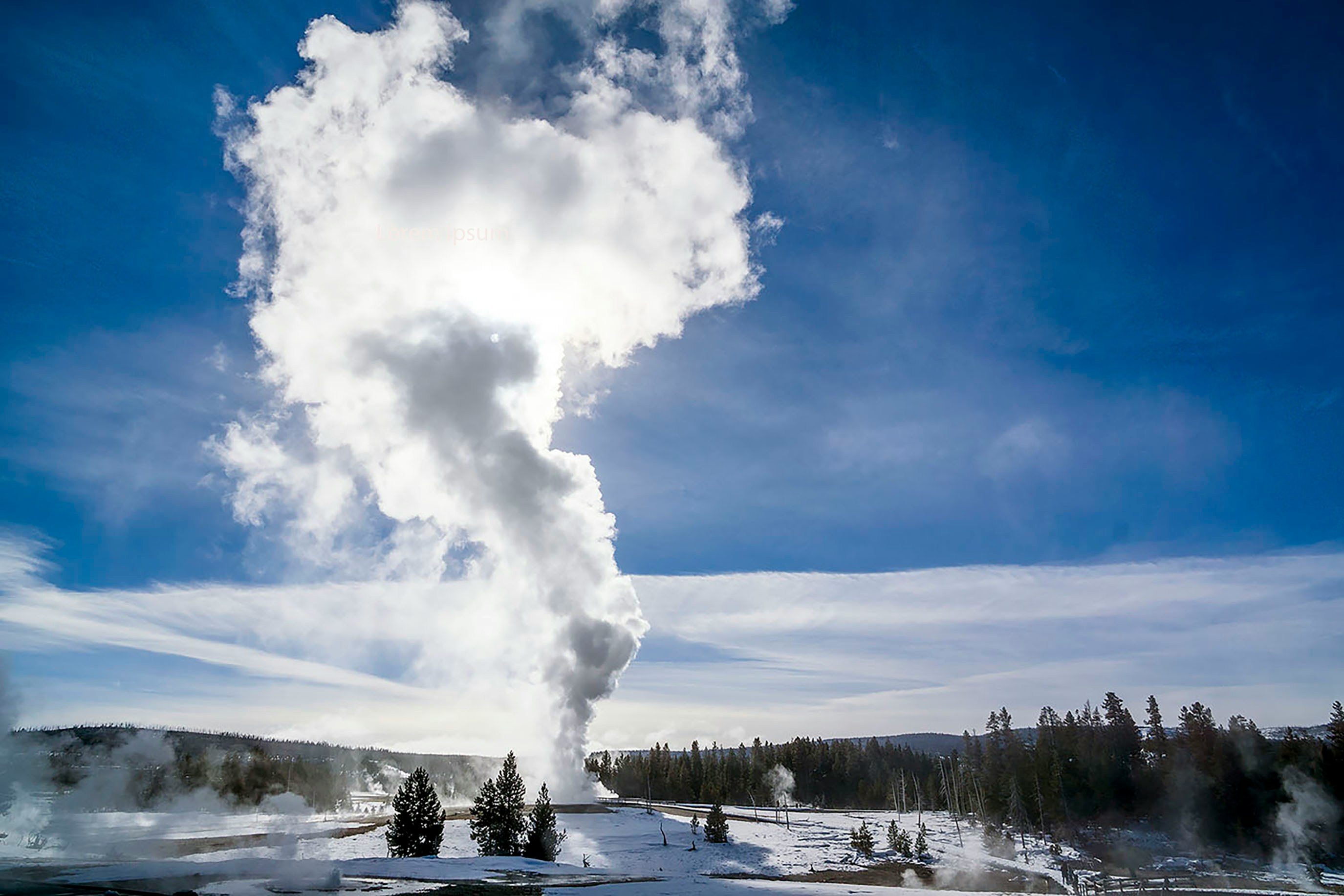
The extra planning pays off with a version of Yellowstone that looks very different from summer.
Cold air makes steam from geysers and hot springs especially dramatic, and geothermal areas can look almost otherworldly when they are surrounded by deep snow. Around the Grand Canyon of the Yellowstone, mist from Lower Falls can freeze into large ice formations, while bison and other wildlife stand out against the white landscape.
Winter also brings far fewer visitors to the park than peak summer months. You are giving up some of the freedom of driving wherever you want, but you are gaining a much quieter experience.
For someone who has already seen Yellowstone in summer, winter can feel like visiting an entirely different park.
If you have to choose between the parks, for most people staying in Jackson Hole, Grand Teton is the easier park to add to the trip.
You can decide that morning to take a scenic drive, stop at Taggart Lake or spend a few hours snowshoeing without committing an entire day to the outing.
Yellowstone is better treated as a dedicated excursion. Getting into the park’s interior takes more time and planning, but it also gives you access to one of the more unusual winter experiences in the region.
If you have enough time for both, they complement each other well: explore Grand Teton independently, then set aside a separate day for a guided Yellowstone experience.
Winter conditions can change quickly, so check current National Park Service road and weather information before leaving Jackson Hole.
A few other things are worth keeping in mind:
A little planning goes a long way. Once you understand the seasonal closures, both parks are surprisingly approachable in winter.
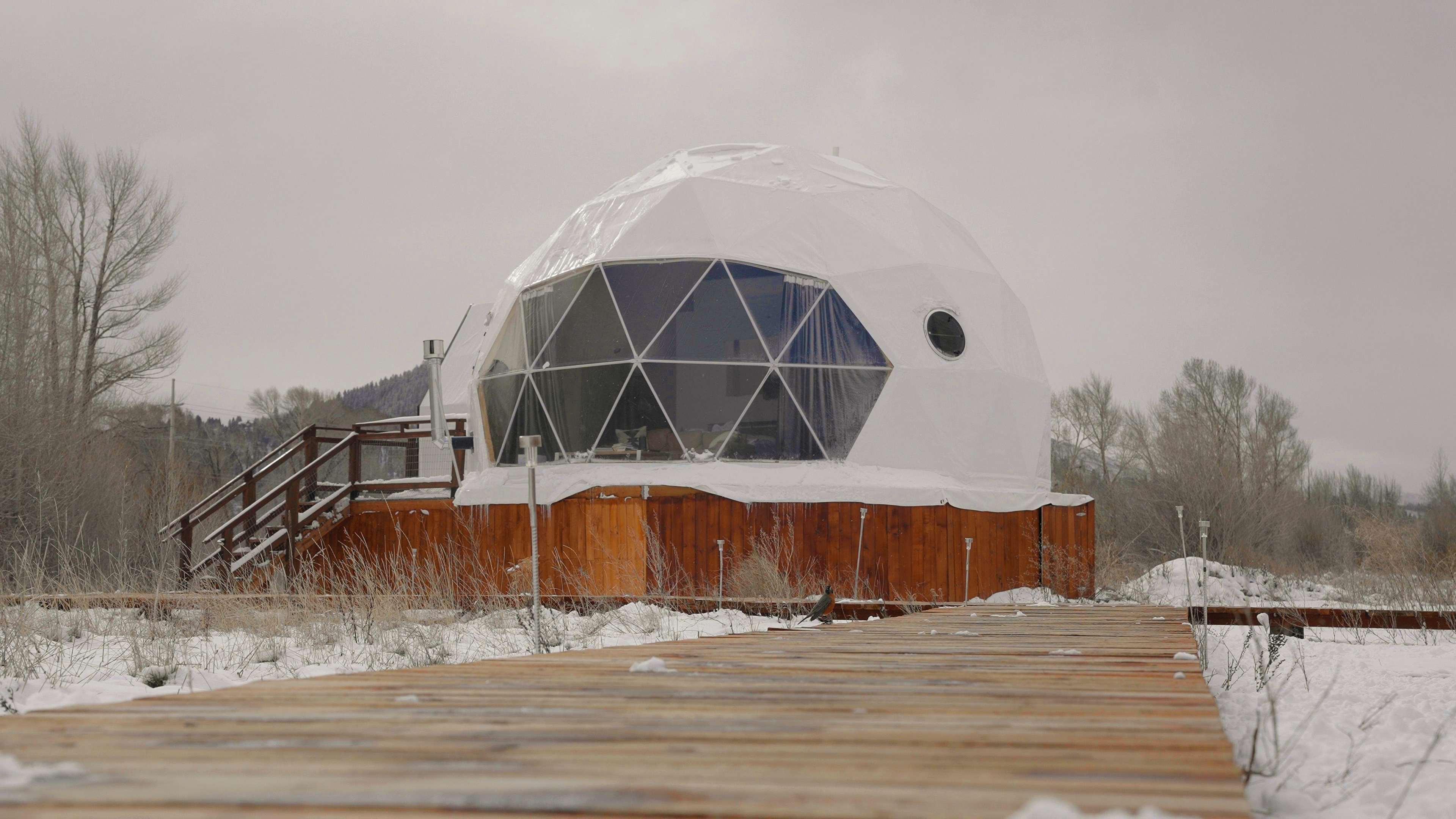
The national parks are not the only Jackson Hole experience that carries into winter.
Tammah Jackson Hole keeps its geodesic domes open throughout the winter season, giving you a unique basecamp for exploring the Tetons, visiting Yellowstone or spending a day skiing at Jackson Hole Mountain Resort.
After a day outside, each dome has an ensuite bathroom, gas fireplace and panoramic windows for taking in the winter landscape without having to stay out in it.
So if you have only thought of Grand Teton, Yellowstone or Jackson Hole’s famous geodomes as summer experiences, winter gives you a good reason to see all three differently.