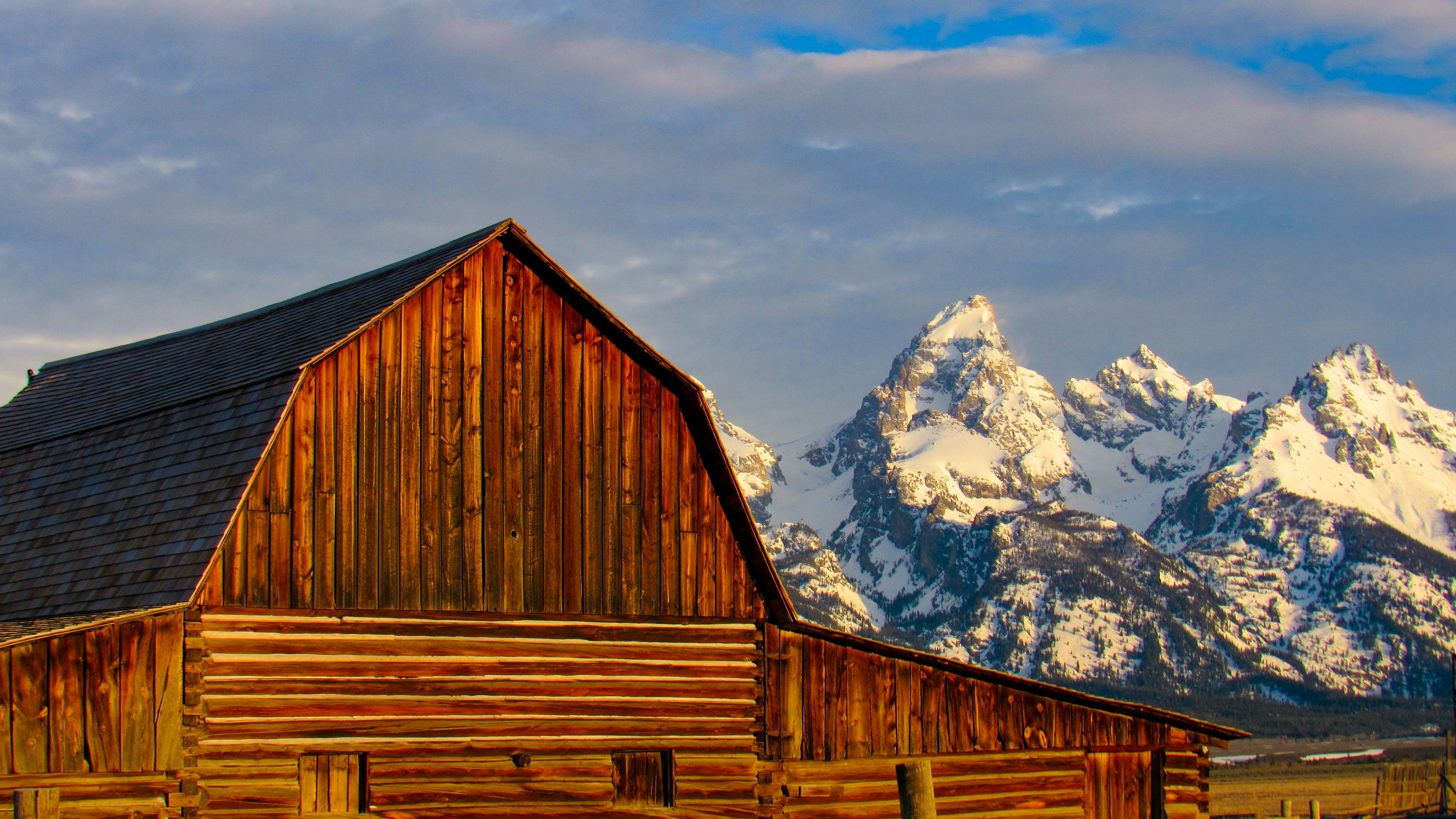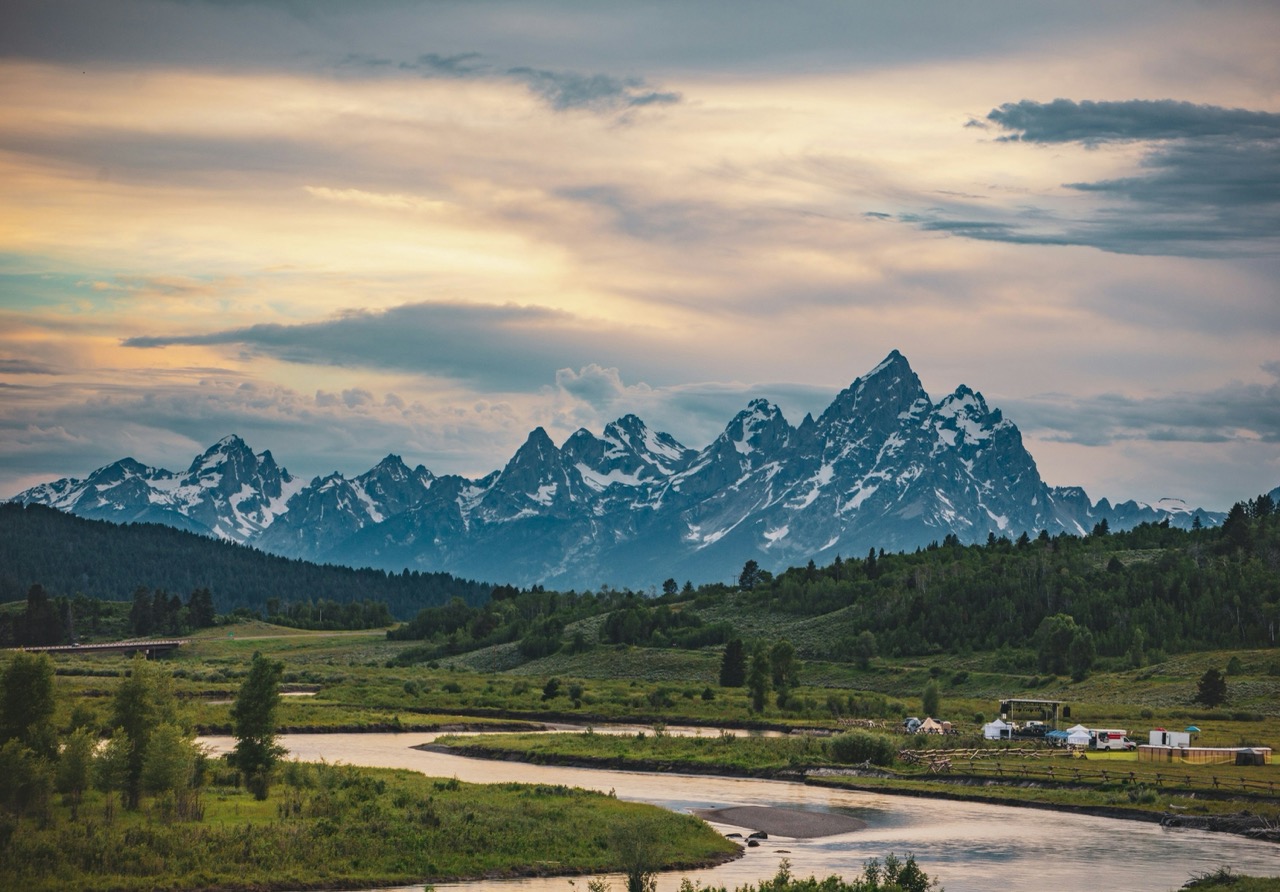

Planning a multi-stop road trip through northwest Wyoming often starts with one practical question: how many days do you actually need in Jackson Hole and Grand Teton National Park? Distances between destinations are longer than they appear on a map, and the region’s scenery rewards travelers who build in time rather than rushing from place to place. While it’s possible to see highlights quickly, most visitors enjoy the area far more when they allow room for slower days, shifting light, and unplanned moments.
This guide breaks down realistic trip lengths for Jackson Hole and Grand Teton National Park as part of a broader Wyoming or Greater Yellowstone road trip. It also briefly addresses how Yellowstone fits into longer, multi-base itineraries, where travelers typically stay near each park rather than commuting between them in a single day.
For a first visit, most travelers find that 3 to 5 days total in Jackson Hole and Grand Teton National Park provides the right balance between seeing key sights and having time to actually experience the landscape. Here’s what that range looks like in practice:
2 Days Total (Very Short Visit)
This works if Jackson Hole is one stop in a longer road trip. You’ll be able to drive through Grand Teton National Park, stop at major overlooks and lakes, and spend limited time in the town of Jackson. You’ll see the Tetons, but mostly from the car.
3 Days Total (Classic Introduction)
This allows for one full day inside Grand Teton National Park, one partial day for Jackson, scenic drives, and viewpoints, and one flexible day for short hikes or wildlife viewing. This is often the minimum for travelers who don’t want the trip to feel rushed.
4–5 Days Total (Best All-Around Pace)
This is where most visitors feel the trip opens up. Two full days in Grand Teton National Park allow time to explore lakes, trails, and wildlife corridors at different times of day, with room to adjust plans for weather or crowds. You’ll also have time in Jackson without treating it as just a transit point.
6+ Days Total (Deeper Exploration or Multi-Park Trips)
Ideal for travelers who want multiple long hikes, photography at different light conditions, or to combine how many days to spend in Yellowstone and Grand Teton into one trip without constant long driving days.
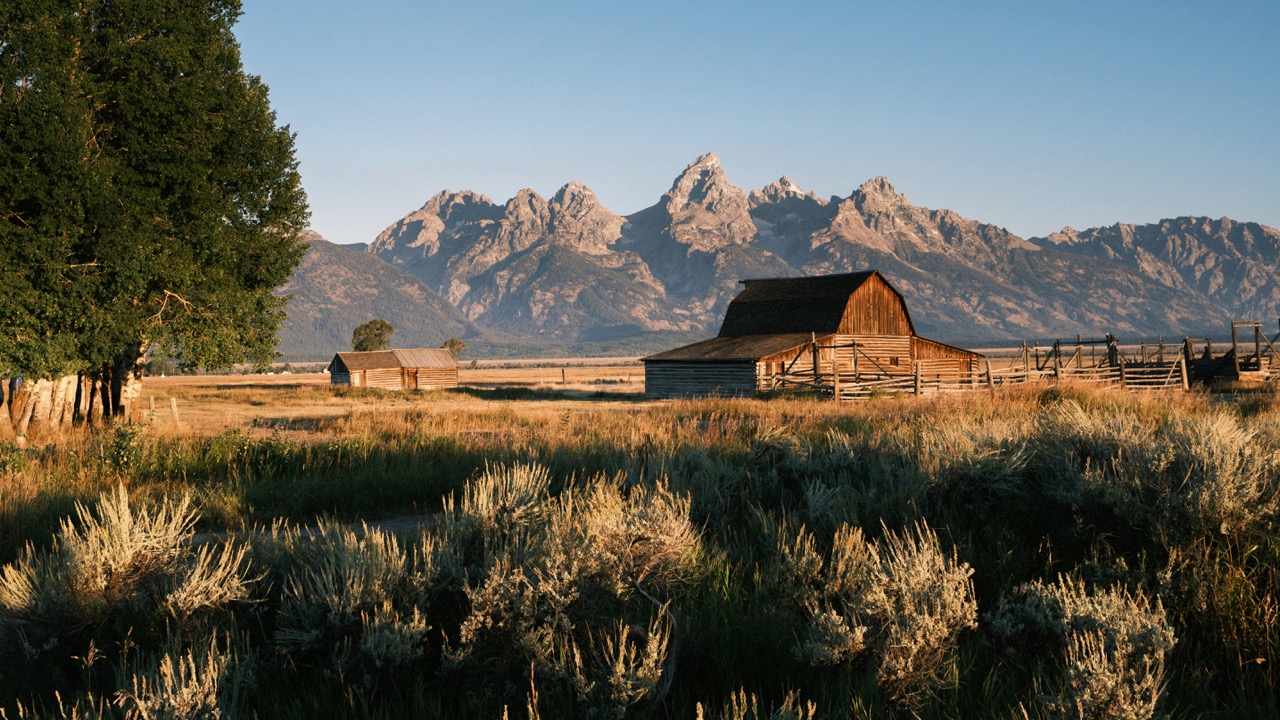
The difference between a three-day trip and a five-day trip isn’t just more stops. It changes how the region feels.
With limited time, most visits turn into a loop of scenic pullouts and highlight stops. With more time, you can linger at places like Jenny Lake, return to the same area at different times of day, and explore quieter corners of Grand Teton National Park without feeling rushed.
Wildlife viewing also improves with time. Early mornings and evenings tend to be the most active windows, but that doesn’t always line up neatly with a tight itinerary. More days increase your chances of meaningful wildlife encounters without chasing sightings.
Weather plays a role as well. Wind, cloud cover, and afternoon storms can change visibility in the Tetons. Extra days allow you to shift hikes or viewpoints rather than forcing plans on less-than-ideal conditions.
Most travelers spend daylight hours inside Grand Teton National Park and use Jackson Hole as a base for meals, supplies, and evenings. A helpful way to think about your time is:
If you’re deciding how long you should stay in Jackson Hole Wyoming, the answer is usually driven by how much time you want in the Tetons. The town becomes part of the rhythm of the trip rather than the main destination.
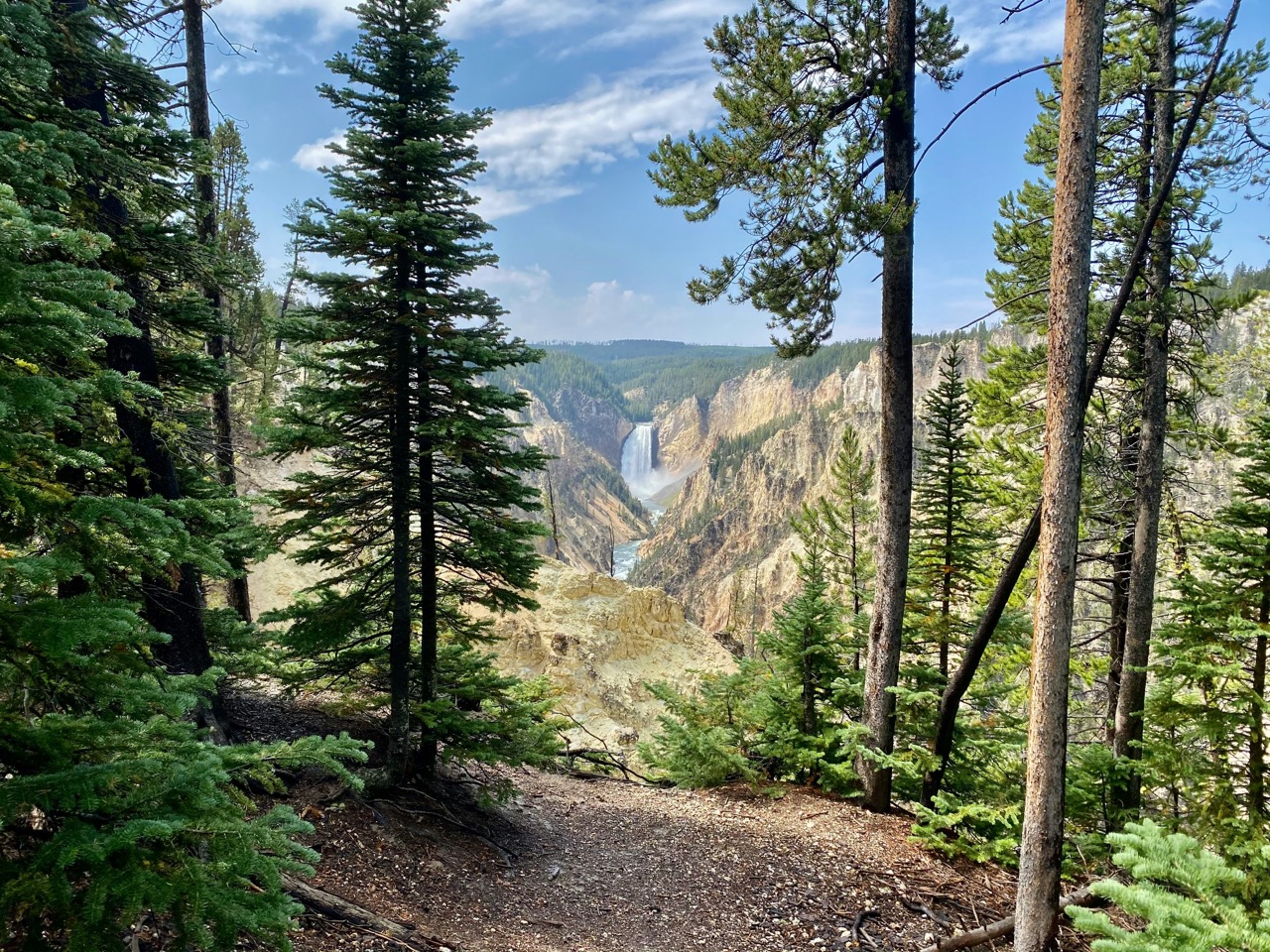
For travelers researching how many days to spend in Yellowstone and Grand Teton, it helps to plan for both driving time and park time. Most travelers experience Yellowstone as part of a broader road trip rather than as a day trip from Jackson Hole, often staying overnight near or inside the park. Yellowstone covers a much larger area and requires longer travel windows between key sights.
A realistic combined pacing looks like:
Planning two distinct overnight bases near each park allows travelers to spend more time exploring and less time driving, making the experience feel far more relaxed and immersive.
One of the simplest ways to improve a Jackson Hole and Grand Teton trip is to build in a little flexibility instead of planning every day down to the hour. The Tetons are shaped by light, weather, and wildlife patterns that don’t follow a fixed schedule. A morning that’s socked in with clouds can open up later. A quiet wildlife corridor can suddenly become active at dusk. A long hike may feel better on a different day than you originally planned.
Leaving room to adjust your plans based on conditions often leads to better experiences overall. Instead of forcing a fixed itinerary, travelers who give themselves space to move things around tend to enjoy the landscape more and feel less pressure to check off every stop.
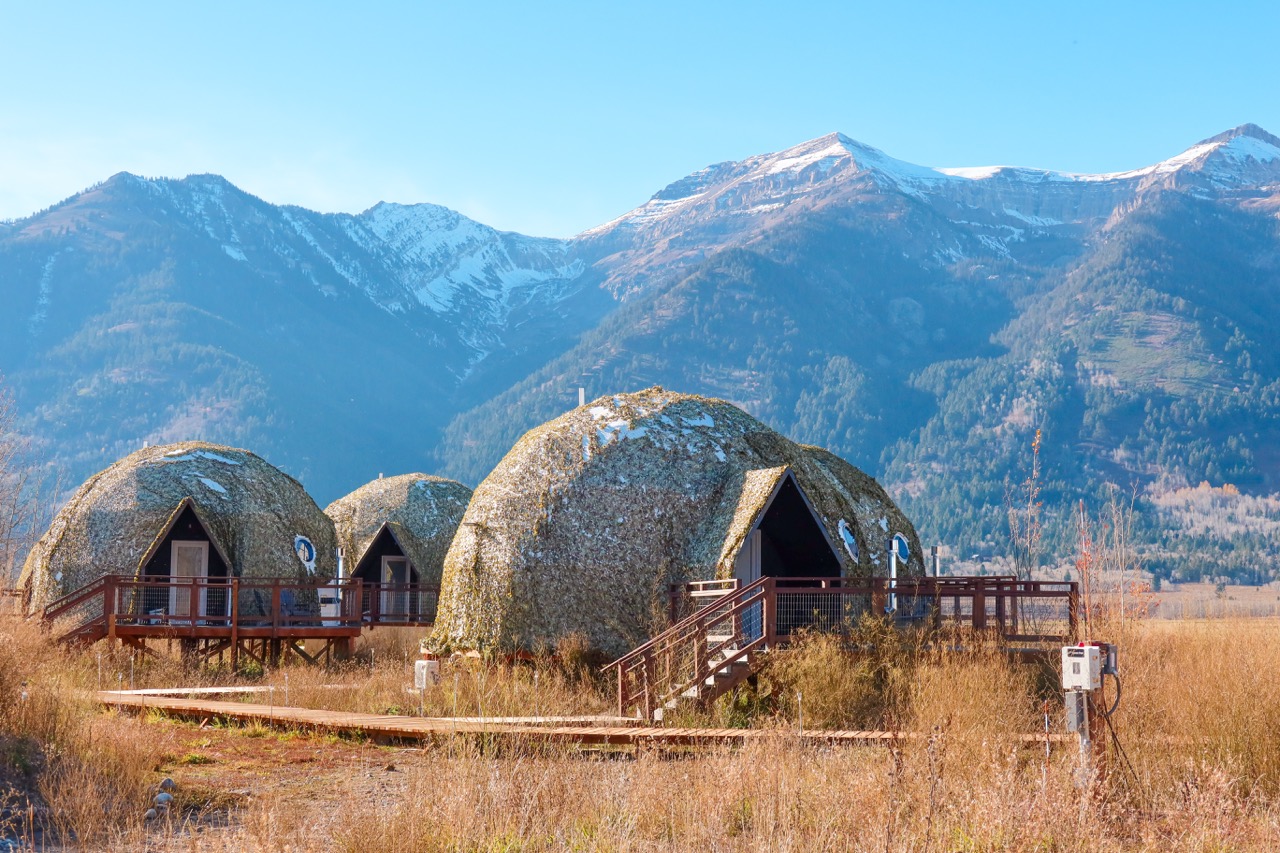
Trip length shapes how much you see, but where you stay shapes how the trip feels. After full days in Grand Teton National Park and around Jackson Hole, having a place that’s calm, comfortable, and close to the landscape makes it easier to actually enjoy the experience rather than just move through it.
For travelers staying at Tammah in our geodesic domes, the days don’t end when you leave the park. Quiet evenings, open skies, and space to unwind help carry the pace of the Tetons into the rest of your trip, making the experience feel more complete from start to finish.
How many days do you need in Jackson Hole?
Most travelers need 3-5 days in Jackson Hole to experience the Tetons and the surrounding area without rushing.
Is it better to stay longer in the park or split time between the park and Jackson Hole?
For most visitors, spending at least 2 full days inside Grand Teton National Park and using Jackson Hole as a base for evenings, meals, and lighter activities creates the best balance of scenery and comfort.
Will a short visit feel rushed?
Trips shorter than 3 days often feel compressed, especially when factoring in driving time, park traffic, and the desire to see the Tetons at different times of day. Adding even one extra day can significantly improve the overall experience.
How many days should you plan for, if you are visiting both Yellowstone and Grand Teton?
Plan for at least 4-5 total park days if you want meaningful time in both parks.