
Some of the best views in Grand Teton National Park happen before most visitors begin their day or after they have started heading back to town.
Sunrise and sunset both create very different experiences across the Teton Range. The right choice depends on whether you want direct light on the mountains, colorful skies, reflections or a quieter atmosphere. This guide covers the best viewpoints for both, what each location looks like at different times of day and what to know before you go.
For most visitors, sunrise in Grand Teton National Park offers the more memorable experience.
Most popular viewpoints sit east of the Teton Range, which allows the rising sun to illuminate the front of the mountains. The peaks may turn pink or gold, the water is often calmer and popular areas are noticeably quieter than they will be later in the day.
A Grand Teton sunrise also feels more peaceful and rewarding. There is something different about arriving in the dark and watching the mountains gradually appear as the sky brightens.
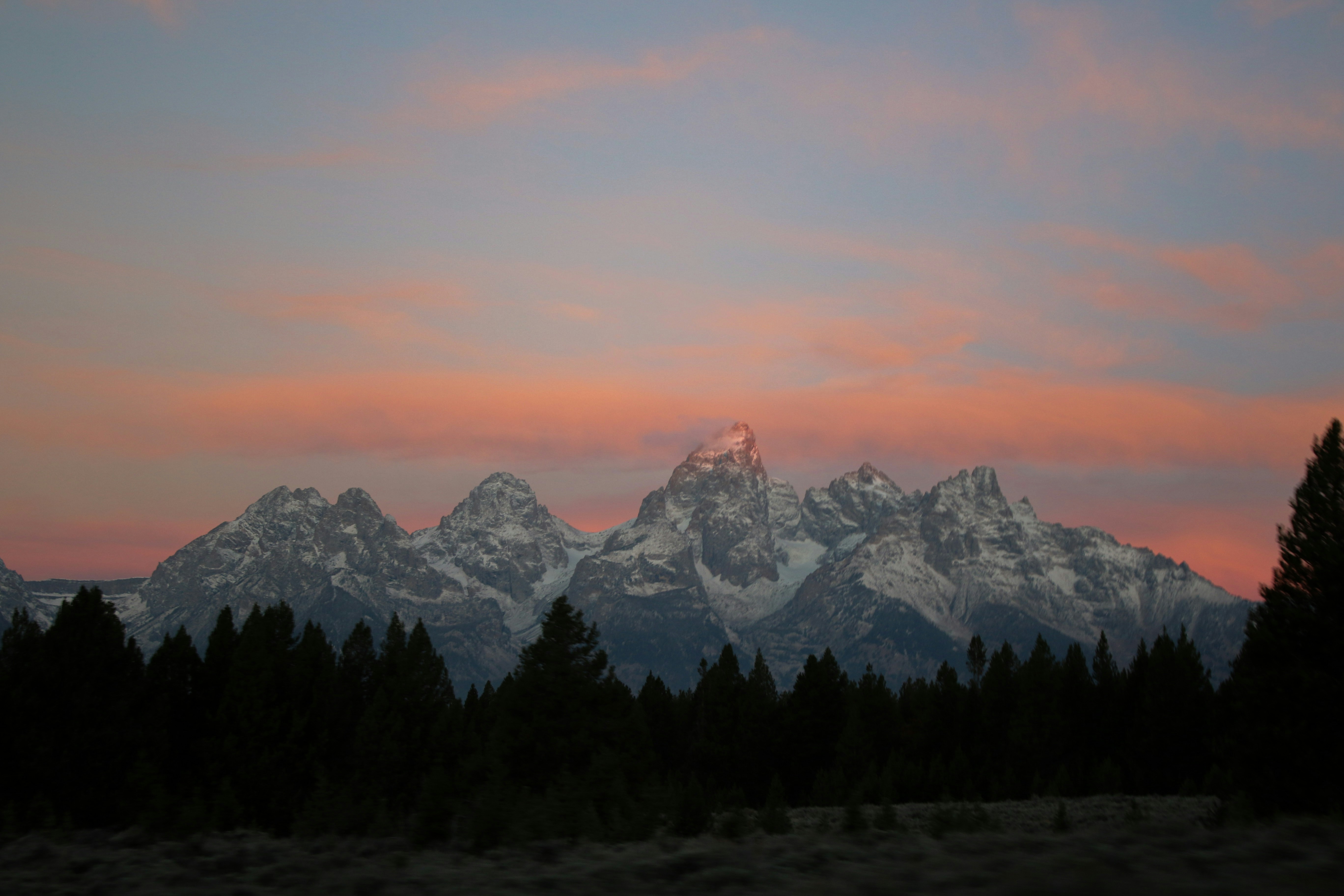
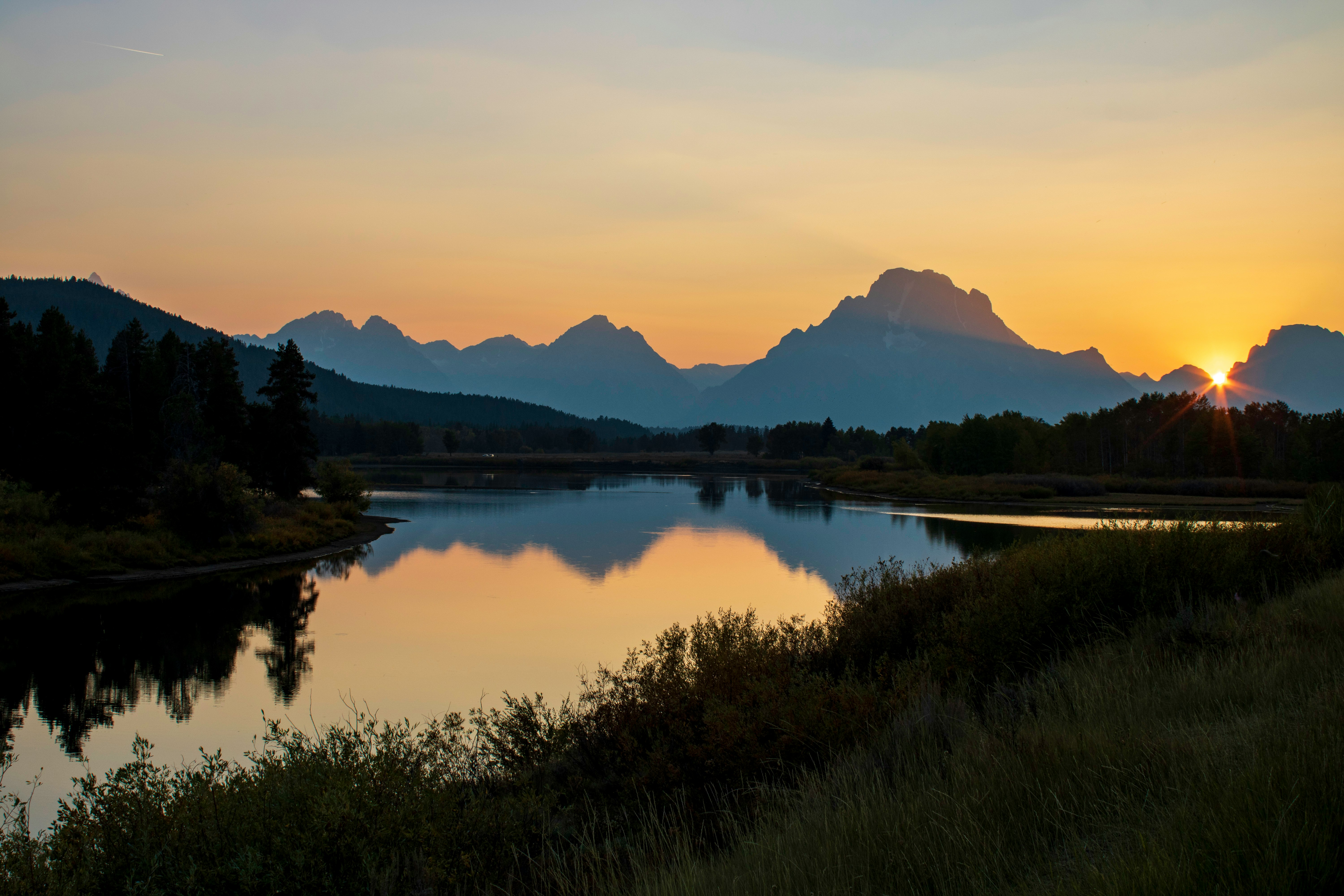
A Grand Teton National Park sunset is still a worthwhile alternative when waking before dawn does not fit your plans. The sun usually sets behind the mountains, creating darker silhouettes rather than direct light across the peaks. Clouds, lakes and the sky above the range can still produce beautiful evening color.
Choose sunrise for:
Choose sunset when:
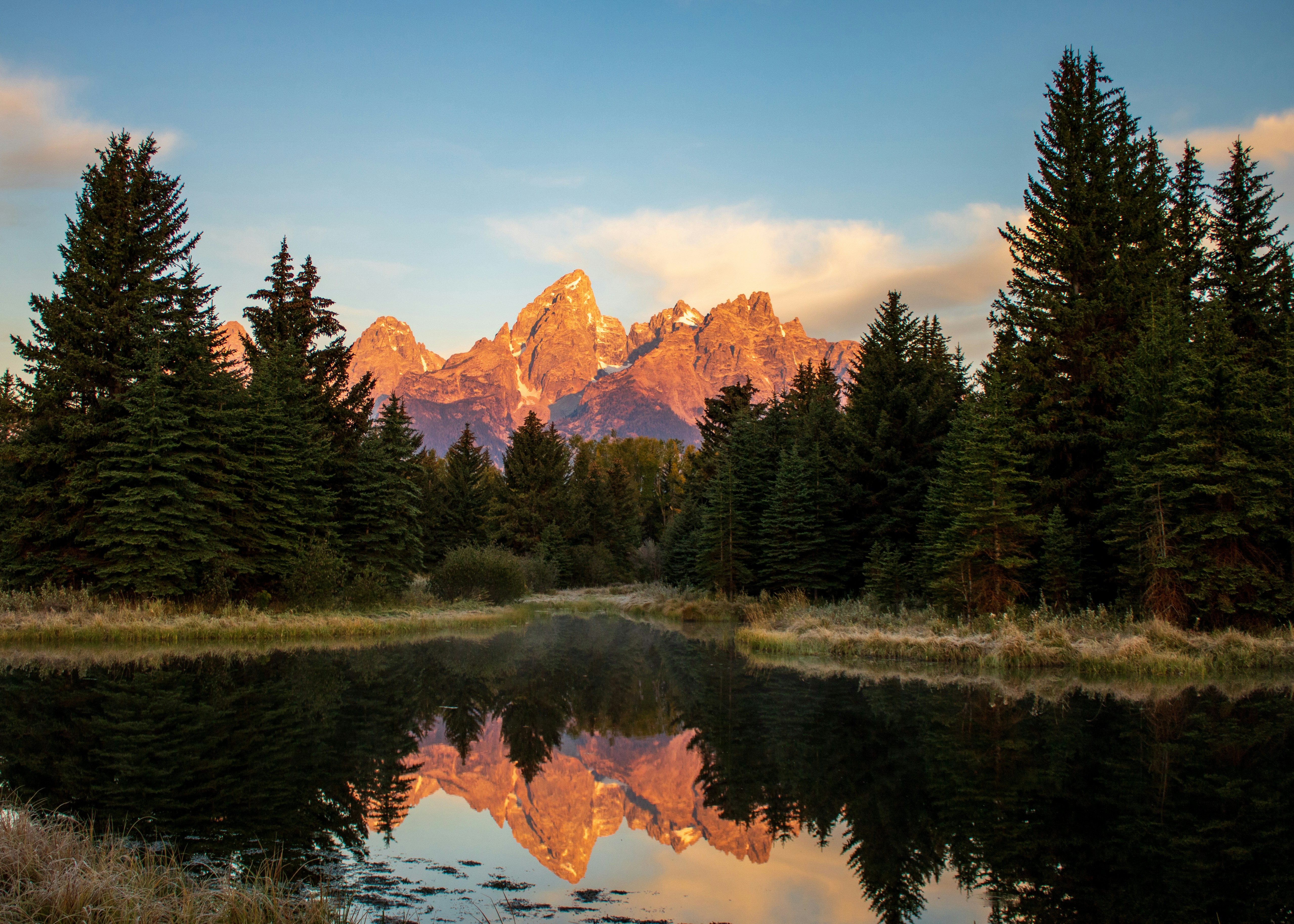
A Schwabacher Landing sunrise is one of the most recognizable views in Grand Teton National Park. A short walk from the parking area leads to several openings along the river, so it is worth exploring beyond the first viewpoint. Parking is limited, and the unpaved access road may be closed during parts of the year.
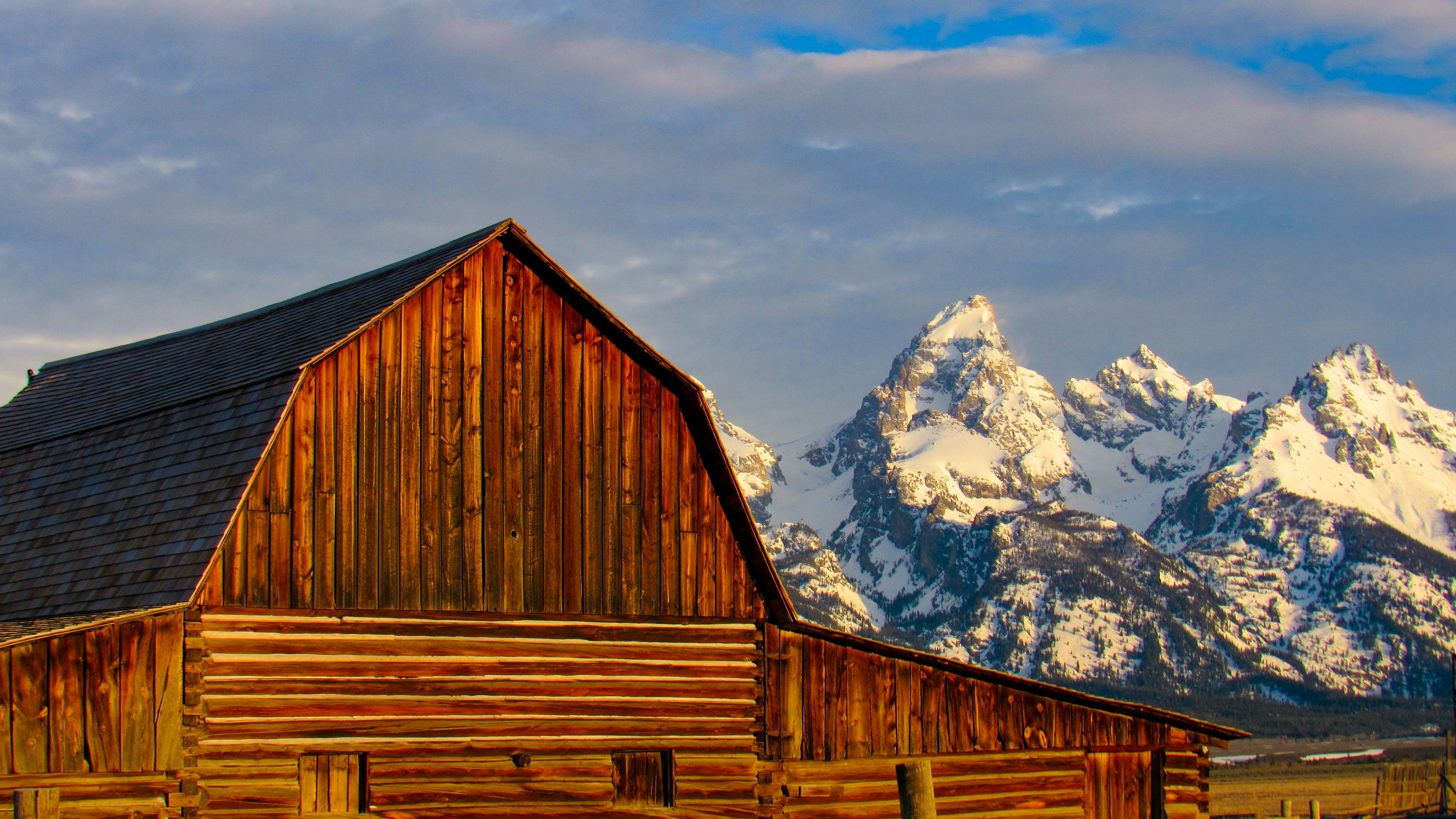
A Mormon Row sunrise combines the mountains with some of Jackson Hole’s best-known historic buildings, including the T.A. Moulton Barn. It is also one of the easiest sunrise locations to visit because the main viewpoints are close to the parking areas.
An Oxbow Bend sunrise looks toward Mount Moran rather than the tallest peaks farther south. The broad river bend makes this a strong location for reflections, fall color and possible wildlife sightings. It can work at either time of day, although sunrise usually offers better mountain light.
A Snake River Overlook sunrise is a practical choice for visitors who do not want to walk along an unlit trail before dawn. The developed roadside turnout provides an expansive view of the range, although the mountains may appear smaller in phone photographs than they do in person.
A Signal Mountain sunset is one of the stronger evening options because the elevated viewpoint overlooks a large portion of the valley and sky. The Tetons feel farther away than they do at other locations, but the wider perspective makes it easier to watch changing light move across the landscape. The summit road is seasonal.
A Jenny Lake sunrise places you close to the base of the Teton Range, while a Jenny Lake sunset emphasizes the size and shape of the mountains. Trees and shoreline curves can block parts of the view, so find your viewing spot before the light begins changing.
Jackson Lake and Colter Bay are among the most flexible choices for either sunrise or sunset. The broad shoreline provides plenty of open sky and several places to step away from the busier marina areas. Sunrise emphasizes the mountains, while sunset places more attention on the lake and sky.
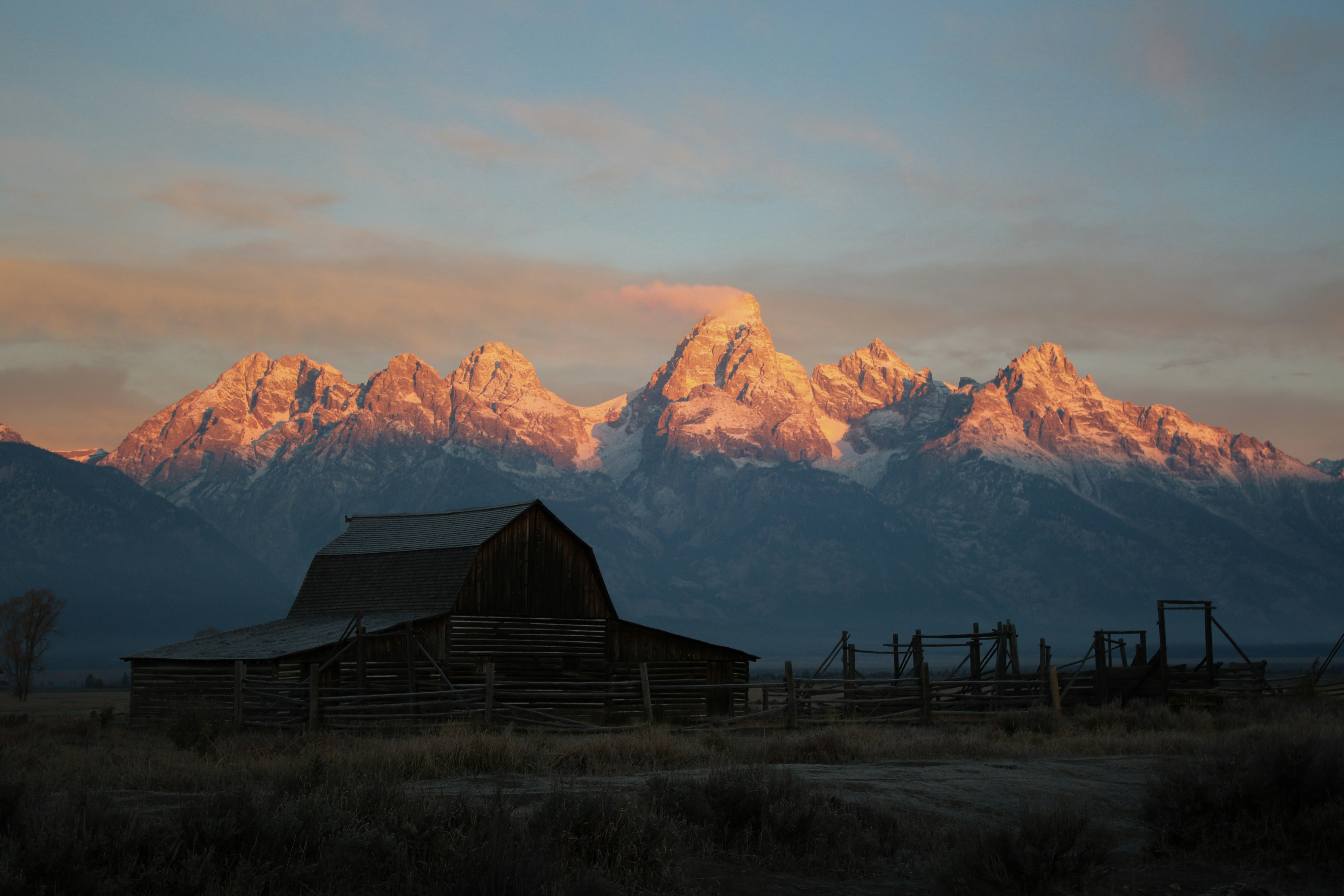
For a Grand Teton sunrise, arrive 30 to 45 minutes before the published sunrise time. Keep in mind that the published time refers to when the sun officially rises above the horizon, not when the sky first begins to brighten.
First light can begin well before sunrise, and the highest peaks may start catching color before the sun is visible from the valley floor. Arriving early gives you time to park, walk to your viewpoint and watch the full transition from darkness to daylight rather than showing up after the most interesting light has already begun.
Schwabacher Landing and Mormon Row may warrant an even earlier arrival during summer and fall.
For a Grand Teton sunset, arrive 30 to 60 minutes beforehand and stay for at least 20 minutes after the sun disappears behind the range. Some of the strongest color can develop during the afterglow.
Sunrise, first light and sunset times change considerably throughout the year, so check the exact timing for the date of your visit.
Mountain mornings and evenings can feel cold even during summer. Bring warm layers, a headlamp, water, binoculars and insect repellent.
Carry bear spray somewhere immediately accessible, especially when visiting quieter areas around dawn or dusk. Wildlife is often more active during these hours, and visitors should always follow Grand Teton National Park’s guidance on safe wildlife viewing distances.
For the classic Grand Teton sunrise experience, choose:
When sunrise is not realistic, choose:
Oxbow Bend, Jenny Lake and Jackson Lake can work well at either time. Sunrise will usually provide more detail across the mountains, while sunset will emphasize the sky and the outline of the range.
.png)
Tammah’s location near the southern end of Grand Teton National Park makes it easier to plan an early morning in the park. Guests can reach Mormon Row, Schwabacher Landing and the Snake River corridor without first driving through downtown Jackson, and Tammah’s grab and go breakfast is the perfect option for an early morning. Starting early is one of the quietest and most rewarding ways to experience the mountains.
For guests who would rather not wake before dawn, sunset can still fit easily into an afternoon at Jenny Lake, Signal Mountain or another nearby viewpoint.